Data-Verified Content: This article was researched using official clinical guidelines from the ADA and JCI. It is for informational purposes and does not constitute medical advice.
1) Introduction: The Peak of Full-Mouth Restoration
A full arch restoration replaces an entire upper or lower jaw of teeth. While multiple materials exist, monolithic zirconia has become the undisputed 2026 benchmark for patients who want maximum durability with modern aesthetics. “Monolithic” means the bridge is milled from a single, solid block of zirconium oxide—no acrylic layering, no porcelain veneer shell over metal, and no interface designed to fail.
When planned correctly, a full-arch zirconia bridge is not “just teeth.” It is a biomechanical restoration designed to deliver confident function, stable bite relationships, and a smile that doesn’t behave like a removable prosthetic.
2) The Chipping-Proof Advantage: Solid Strength
Traditional bridges often fail at the interface: layered porcelain over a framework can chip, crack, or delaminate under cyclic biting forces. Monolithic zirconia removes that weak point entirely because there is no top layer to flake off—there is only one continuous material engineered to resist fracture.
- No veneer layer to chip: the bridge is a single “stone,” not a composite of materials with different fatigue behaviors.
- High fracture resistance: modern zirconia is designed for long-span, full-arch loading.
- Real-life confidence: apples, nuts, and steak become normal again when occlusion is properly managed.
3) Superior Biocompatibility: Harmony with Your Gums
Zirconia is bio-inert: the material does not oxidize, corrode, or release ions the way some base-metal systems can. For patients, that translates into healthier soft tissue response, no metallic taste, and no dark grey margin line at the gumline that can plague older metal-based prosthetics.
In many cases, the surface characteristics of zirconia also make plaque retention less aggressive than on porous acrylic, which is one reason full-arch zirconia is often easier to keep fresh and clean long-term.
4) CAD/CAM Precision: The Digital Blueprint
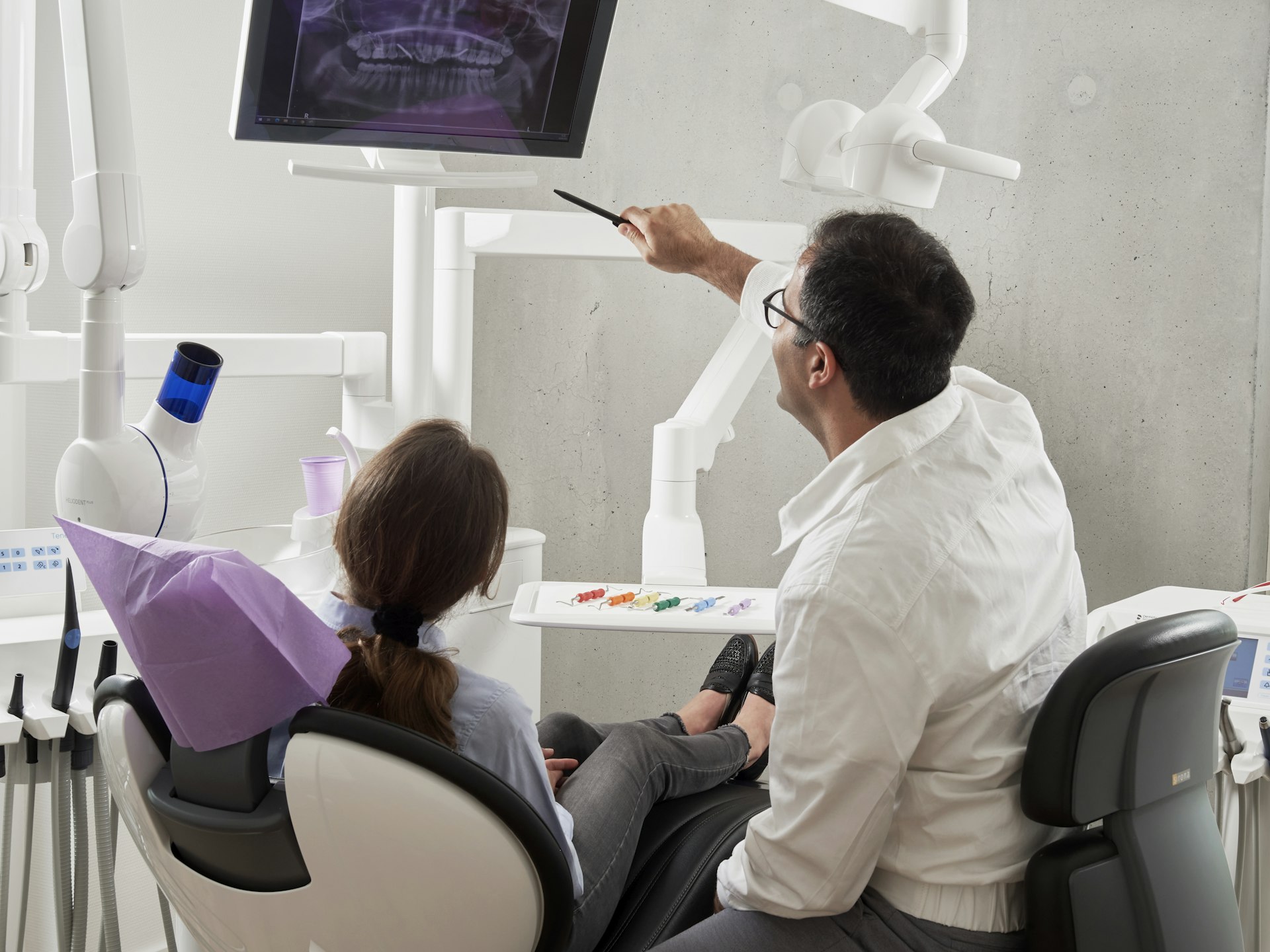
The workflow is fully digital. Intraoral scans and 3D imaging create a virtual map of your jaw, bite, and implant geometry. That data is then used to design the bridge with precise emergence profiles and occlusal anatomy, before a 5-axis milling machine carves the restoration with micron-level repeatability.
The core goal is a passive fit over implants. A misfit full-arch bridge can transfer stress into implant components and bone, which is why precision is not a luxury feature—it is risk control.
5) High-Translucency Aesthetics: Beyond “Toilet-Bowl White”
Early zirconia had one aesthetic problem: it looked chalky. High-translucency zirconia changed the game. Modern multilayer blocks incorporate color gradients so the incisal edge transmits more light than the cervical portion near the gum, closer to how natural enamel behaves. Final artistry still matters: skilled staining and glazing is what creates a lifelike vitality rather than a flat, uniform white.
6) Zirconia vs Acrylic: Why the Investment Matters
Many All-on-4 packages default to acrylic teeth over a titanium bar. Acrylic can look good on day one, but it is porous and wears faster. It absorbs stain, odor, and micro-scratches, and it typically requires refurbishment in 5–7 years. Monolithic zirconia is non-porous and engineered for long-term surface stability.
- Acrylic: cheaper upfront, higher maintenance cycle, faster wear and staining.
- Monolithic zirconia: higher initial cost, more stable long-term aesthetics, and fewer “refresh” events.
7) Global Pricing: Navigating the Financial Gap
The cost of a monolithic zirconia full arch is the primary reason patients travel. The savings can be large enough that many patients obtain both arches abroad for less than a single arch at home.
| Region | Typical Full Arch (Per Jaw) | Notes |
|---|---|---|
| USA / UK / Canada | $25,000 - $35,000 | Higher clinic overhead + lab pricing; often priced as a premium “final bridge” package. |
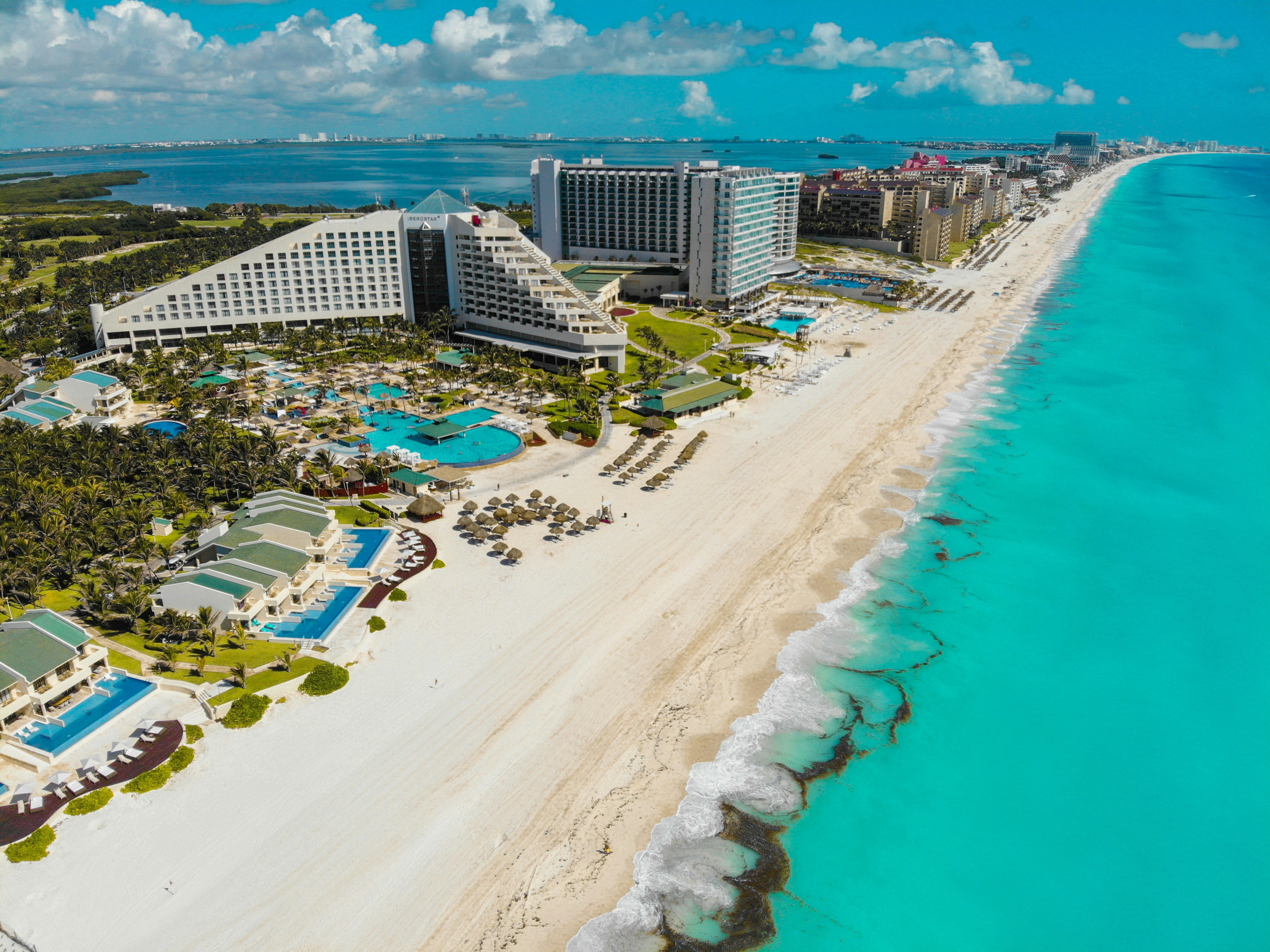
| International Excellence Hubs | $8,500 - $12,000 | Common in top clinics in Istanbul, Cancun, and Medellín with in-house digital labs. |
To estimate real net savings including flights and hotels, model your full plan in the Savings Calculator and compare staged-trip budgets before choosing a timeline.
8) The Two-Trip Protocol: Ensuring Long-Term Success
A world-class zirconia arch is not a “rush job.” The correct workflow respects biology and uses a two-trip protocol for stability and long-term fit:
- Trip 1: implant placement and a high-quality temporary bridge designed for healing and bite stabilization.
- Healing phase: 4–6 months for osseointegration, letting tissues mature and settle.
- Trip 2: final digital pick-up impressions and delivery of the permanent zirconia bridge tailored to the healed gum shape.
9) Maintenance: Protecting Your Masterpiece
Zirconia cannot decay, but implants can develop peri-implant inflammation if hygiene is neglected. The maintenance goal is simple: remove biofilm consistently and get professional cleanings at least twice per year.
- Water flosser (Waterpik) routine: effective for cleaning under the bridge and around implants.
- Professional maintenance: periodic assessment of occlusion, screws/components, and tissue health.
- Risk management: understand the difference between normal post-op symptoms and true complications.
For risk planning, review Dental Complications Abroad and the broader coverage framework in Dental Travel Insurance.
10) Conclusion: The Final Solution for Your Smile
If you are exhausted by failing teeth, uncomfortable dentures, or the constant fear of breakage, full arch monolithic zirconia is the terminal solution. It combines the strongest restorative material in dentistry with modern CAD/CAM precision and high-translucency aesthetics. Done correctly, it restores your ability to eat, speak, and smile without thinking about your dental work again.