Data-Verified Content: This article was researched using official clinical guidelines from the ADA and JCI. It is for informational purposes and does not constitute medical advice.
Warning: Most standard dental insurance policies do not cover international procedures. Always verify your 'International Coverage' clause or 'Out-of-Network' benefits with your provider before traveling.
The Psychology of Risk in Dental Tourism
One of the most frequent questions patients ask when considering dental work in Mexico, Turkey, or Costa Rica is: “What happens if I get home and something feels wrong?” The fear is natural. In your home country, the safety net feels close—familiar regulations, known providers, and the comfort of proximity. When you travel, that net feels further away.
Clinical data from top-tier international clinics shows complication rates are comparable to—and sometimes lower than—rates in the U.S. or Australia. The difference is not the probability of risk; it’s the solution path. This guide explains what specialized medical tourism protection covers when “the unexpected” happens and how to navigate the process without spiraling into avoidable out-of-pocket expenses.
Defining a “Complication” vs. “Dissatisfaction” (Coverage Reality)
Before discussing coverage, it is vital to define what insurance is designed for. High-quality policies protect you from medical complications—not from subjective dissatisfaction.
- Medical complications: unexpected physiological responses to treatment, such as severe infection, failed implant integration (osseointegration failure), nerve injury, hematomas, or significant swelling requiring intervention. These are typically the core of covered scenarios.
- Subjective dissatisfaction: if you simply dislike a veneer shade after you approved a try-in and left the clinic, most policies will not fund a return trip. This is why the try-in phase and final sign-off are the most critical decisions of your journey.
The “Big Three” Covered Scenarios (Complications Coverage)
1) The failed implant (the most common high-ticket concern)
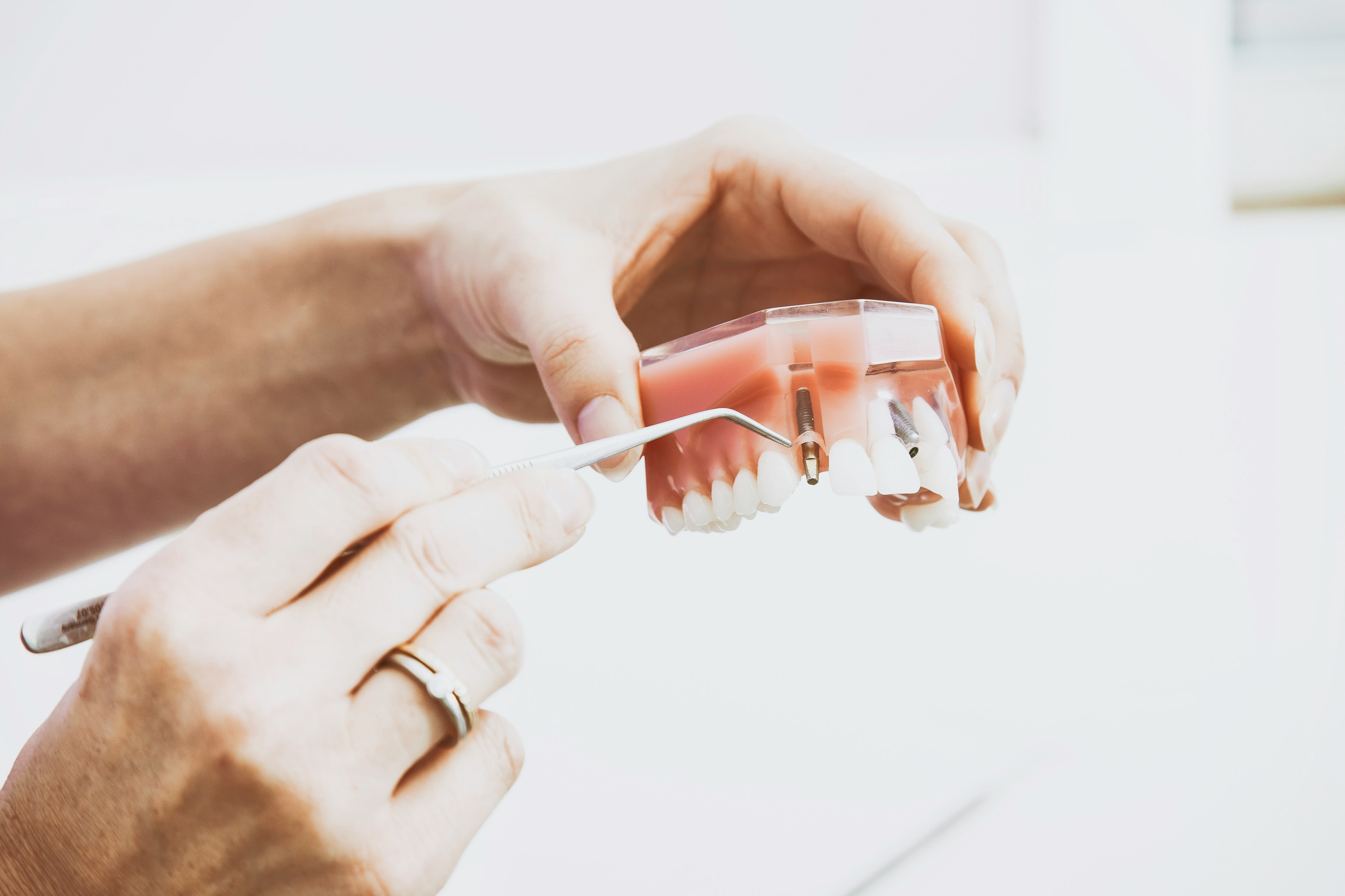
Dental implants often succeed at very high rates, but biology still wins in a small percentage of cases. Bone density, undiagnosed metabolic issues, smoking, and even short-term immune stress can contribute to non-integration.
What coverage does: if imaging back home suggests an implant is failing, a specialized policy may cover the surgical removal and replacement, and—most importantly—return-trip logistics. Without coverage, last-minute flights and hotels can cost more than the replacement itself.
2) Acute post-operative infections (coverage vs dental costs)
Infections can occur even with strict sterilization. Some manifest 48–72 hours post-op, when the patient is already traveling or has returned home. The danger is delay: infection progresses fast, and waiting for an international flight is not a plan.
What coverage does: robust plans include emergency local treatment, allowing you to visit a local dentist or urgent care for antibiotics, drainage, or stabilization—reducing immediate dental costs and limiting escalation.
3) Corrective procedures (mechanical failure coverage)
Modern materials like zirconia and lithium disilicate are strong, but no prosthetic system is immune to bonding issues, chipping, or occlusal imbalance. Sometimes the fix is small—but it must be done correctly.
What coverage does: a policy can cover correction work and, in some structures, coordinate with the clinic’s warranty. The clinic may handle labor/materials while insurance handles travel and support logistics.
Hidden Coverage That Matters: Accommodation and Companion Travel
Complications affect more than your teeth. They disrupt schedules, force extra nights, and often impact a travel companion who may need to stay, reschedule flights, or provide support.
- Daily allowances: hotel and meal stipends if you must remain in the destination longer due to medical necessity.
- Companion coverage: change fees, extended lodging, and in some cases companion transport when you are not fit to travel alone.
Verification Before You Leave: The Documentation Workflow
Claims become difficult when the timeline is unclear or documentation is missing. The best strategy is proactive: you build a claims-ready file before you ever sit in the chair.
- Documentation is king: keep pre-op imaging, the signed treatment plan, and itemized invoices. If something feels wrong, take photos and request a written report from the treating clinic.
- The 24-hour rule: many insurers require notification within 24 hours of diagnosis. Call the moment the complication is identified—not after you’ve completed corrective treatment.
- Clarity on exclusions: confirm in writing that medical tourism protection and treatment failure coverage are included.
When You Get Home: The Remote Triage Protocol
An Honest Word on Pre-Existing Conditions (Coverage Limits)
If you travel with untreated periodontal disease, uncontrolled diabetes, or active infection, and complications arise directly from these known issues, insurers can deny claims. Insurance is designed for unforeseen complications—not inevitable outcomes of neglected health.
The highest-safety path is simple: choose clinics that run structured virtual consultations, require CBCT scans when appropriate, and document a staged plan. Fewer surprises means fewer emergencies and fewer out-of-pocket expenses.
The Verdict
Complications are uncommon, but they are expensive because logistics amplify cost. A well-structured policy transforms a potential $5,000 disruption into a manageable inconvenience. For any treatment above $2,000, traveling without complications coverage is no longer a “budget” move—it is a financial gamble.
For a broader policy framework, read The Ultimate Guide to Dental Travel Insurance, and use the Savings Calculator to model the realistic total cost of your plan.
Don't panic—be technical. Choose clinics that provide 24/7 digital follow-up and clear documentation for your local dentist.
Find Clinics with Verified Emergency Protocols