Data-Verified Content: This article was researched using official clinical guidelines from the ADA and JCI. It is for informational purposes and does not constitute medical advice.
1) Introduction: What Is a Fixed Dental Bridge?
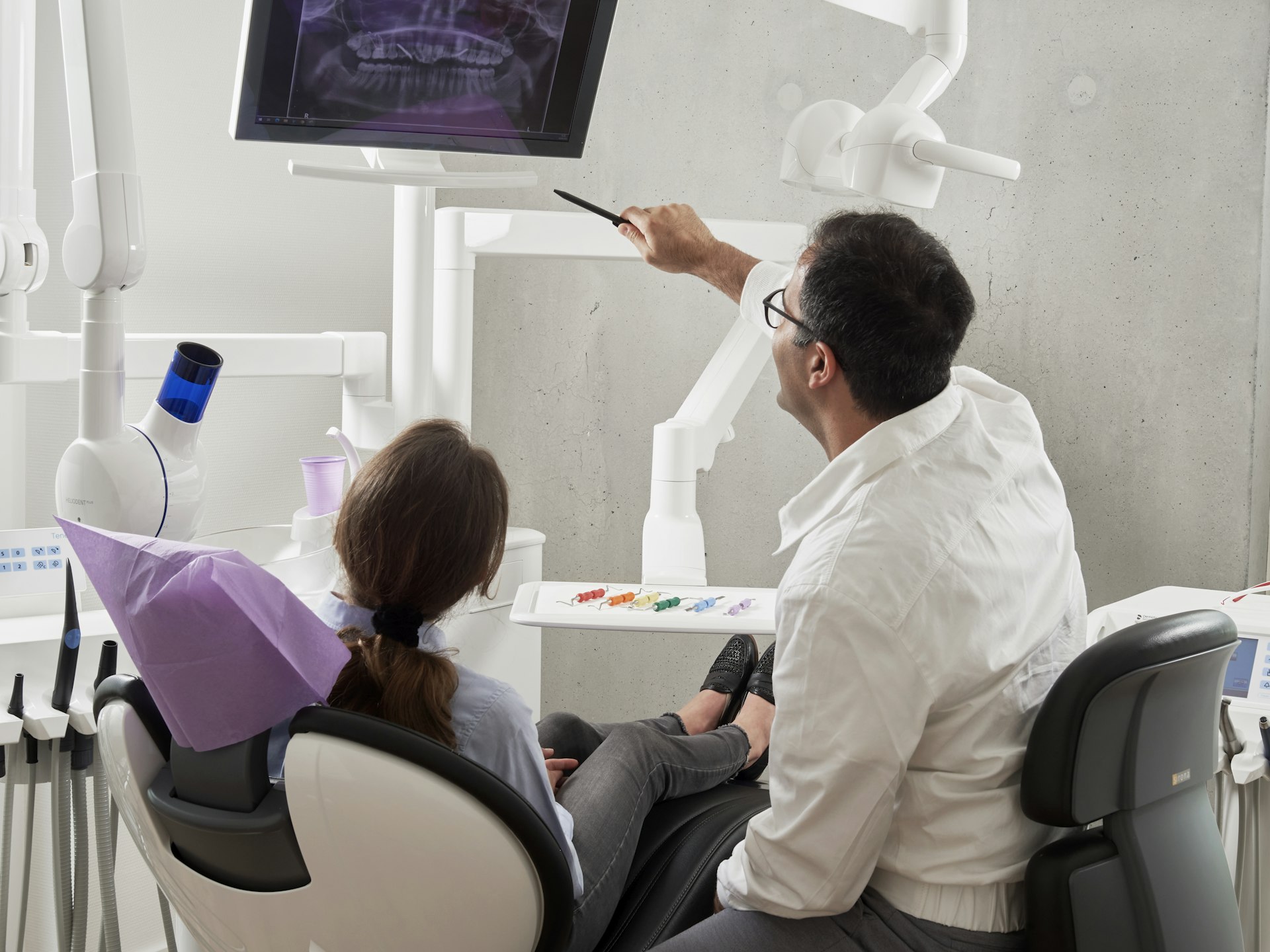
A dental bridge is a fixed prosthesis that “spans” the gap of a missing tooth by anchoring to the adjacent natural teeth (abutment teeth). The artificial tooth is called the pontic. Unlike removable dentures, a bridge is cemented in place and restores chewing and speaking confidence.
It’s often ideal when the neighboring teeth already need crowns, or when you want to avoid surgery and implant healing timelines.
2) The Science: Biomechanics and Load Distribution
A successful bridge is force engineering, not just cosmetics. The design must manage bite loads without overstressing the supporting teeth.
- Ante’s law: the total root surface area of abutment teeth should be equal to or greater than that of the teeth being replaced.
- Force distribution: the bridge should distribute chewing forces to avoid overloading a weak abutment.
- Pontic design: modern ovate pontics (when appropriate) can create a “tooth emerging from tissue” illusion and reduce food trapping.
3) Material Selection: Multilayer Zirconia vs E-max vs PFM
- Zirconia: the modern default. High strength, good aesthetics, and no metal margin shadow at the gumline.
- Lithium disilicate (E-max): excellent aesthetics for small bridges in the front where loads are moderate.
- PFM (porcelain-fused-to-metal): the classic option. Often cheaper, but less translucent and can show a dark margin over time.
4) The Clinical Timeline: A Two-Visit Workflow
- Abutment preparation (Day 1): controlled reduction, 3D scan, and bite records.
- Provisional: a temporary bridge protects teeth and maintains aesthetics.
- Lab phase (3-5 days): CAD/CAM design, milling/sintering, finishing, contacts, and occlusion.
- Try-in + cementation (Day 5-7): margin verification, occlusal adjustment, and final adhesive cementation.
5) Success Rate: Durability Depends on Abutment Health
Dental bridges are often cited around ~90% survival at 10 years in the literature. The critical factor is not whether the bridge is “strong,” but whether the abutment teeth remain healthy (no recurrent decay, stable periodontal support, and excellent hygiene).
With healthy abutments and routine maintenance, a bridge can last 15-20 years.
6) Table: Pricing Comparison (USA 2026 vs Global Partners)
| Bridge type (3-unit) | Average USA cost | Partner Global (MX/COL/TUR) |
|---|---|---|
| Premium zirconia bridge | $4,500 - $7,000 | $1,350 - $1,800 |
| PFM bridge | $3,000 - $4,500 | $900 - $1,200 |
| Build-ups / posts (if needed) | $800 - $1,200 | $200 - $350 |
| Estimated savings | Reference | ~70% |
7) Pros and Cons: A Transparent Evaluation
Pros
- Speed: often completed in under a week.
- Aesthetics: zirconia can look natural with immediate results.
- No surgery: avoids bone procedures and long integration periods.
Cons
- Tooth reduction: may require trimming healthy enamel if abutments were previously intact.
- Hygiene: requires meticulous cleaning under the pontic to avoid inflammation and decay.
8) Risk Mitigation: Planning for Success
The biggest risks are abutment overload and poor marginal seal. High-level partners use digital occlusion tools to balance forces and intraoral scanning to maximize marginal fit.
- Occlusion: prevent high spots and excessive lateral forces.
- Margins: accurate margins reduce bacterial leakage and recurrent decay.
- Pontic design: choose a design that supports hygiene without sacrificing aesthetics.
9) Survival Guide: The First 30 Days
- Superfloss / threaders: essential for cleaning under the pontic.
- Gradual diet: start soft while abutments adapt to new loads.
- Sensitivity: thermal sensitivity can occur after preparation.
10) Logistics & Conclusion: Why Travel?
Travel works well for bridges because lab time is short: many cases can be completed in a single week. Savings can cover flights and hotels, especially for zirconia bridges.
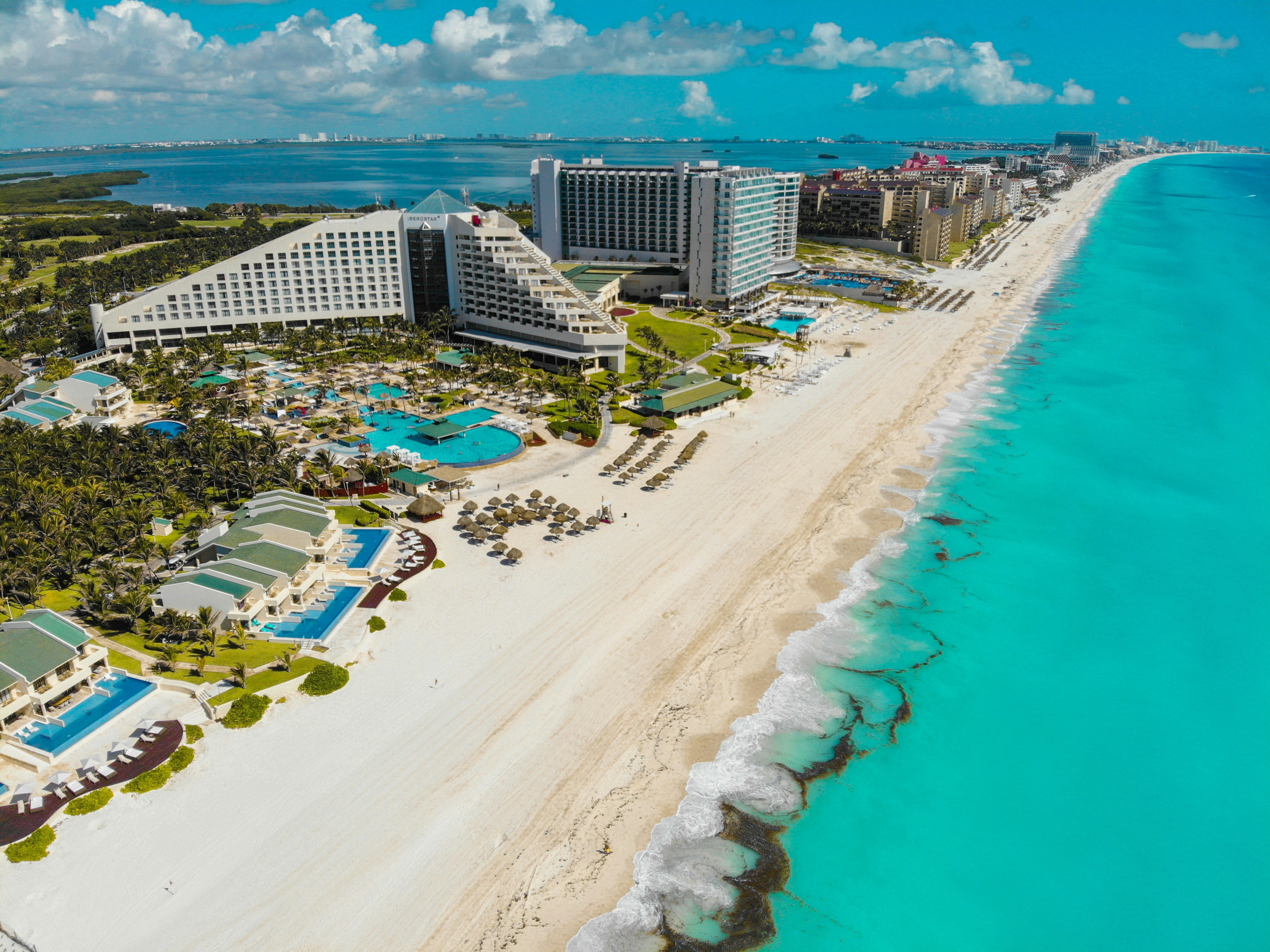
Model your total cost with the Savings Calculator, then explore logistics in Cancun, Medellin, and Istanbul.