Data-Verified Content: This article was researched using official clinical guidelines from the ADA and JCI. It is for informational purposes and does not constitute medical advice.
1) Introduction: What a Zirconia Crown Really Is
A crown is a full-coverage restoration that replaces the outer structure of a damaged tooth. "Zirconia" crowns are made from zirconium dioxide, a high-performance ceramic used in aerospace and orthopedic applications because of its strength and fracture resistance. In dentistry, zirconia has become the go-to material for patients who want a metal-free crown with high durability.
In 2026, the biggest misunderstanding is that "zirconia equals unbreakable." Real outcomes depend on preparation design, occlusion (bite forces), sintering protocols, and cementation strategy.
2) The Science: Why Zirconia Is Strong (and What It Trades Away)
Zirconia's reputation comes from its transformation toughening: micro-cracks can trigger a phase change that compresses the crack tip and slows fracture propagation. That's why zirconia can tolerate heavy loads.
- Strength: modern multilayer zirconia can be very strong, but translucency improvements can reduce peak strength compared to older opaque zirconia.
- Bonding reality: zirconia does not etch like glass ceramics. It typically relies on sandblasting + MDP primers and cement selection rather than classic HF etch + silane bonding.
- Wear management: the crown may survive, but a poorly polished zirconia surface can wear down the opposing enamel.
- Standards: ADA / ISO 6872
3) Zirconia vs E-max: When Each One Wins
This is the real decision point for most patients:
- Zirconia: best for heavy bite forces, bruxism history, posterior crowns, and bridges where strength margin matters.
- E-max (lithium disilicate): often superior for high-end anterior aesthetics where translucency and glass-ceramic bonding are priorities.
- Hybrid strategy: many elite cases combine materials: E-max in the smile zone and zirconia in load zones.
4) Material Selection Inside Zirconia: Monolithic vs Layered
- Monolithic zirconia: one solid piece. Highest fracture resistance; aesthetics depend on multilayer blocks and staining/glazing quality.
- Layered zirconia: zirconia core with porcelain layering. Can look excellent, but layering introduces a chipping interface and needs expert technique.
5) The Clinical Timeline: From Prep to Cementation
- Day 1: exam, X-rays/CBCT as needed, shade mapping, scans, and bite registration.
- Preparation: controlled reduction with clear finish lines; temporaries placed.
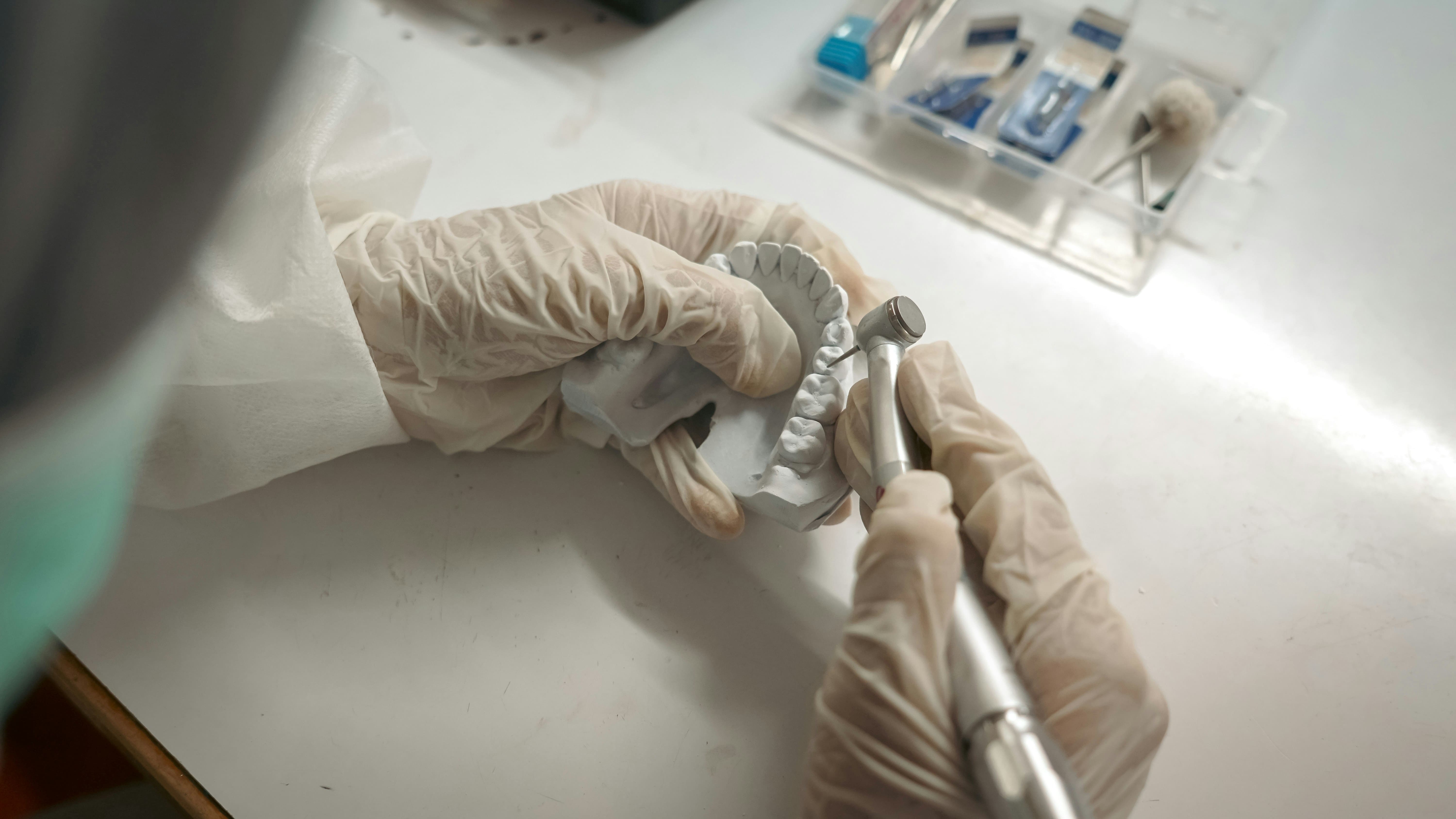
- Lab phase (often 1-3 days): CAD design, milling, sintering, staining, and polish.
- Cementation: try-in, margin verification, occlusion adjustment, and final cement with isolation.
6) Table: Zirconia Crown Cost 2026 (USA vs Global Partners)
| Item | Typical USA/Canada (2026) | Global Partner (MX / COL / TUR) |
|---|---|---|
| Zirconia crown (per tooth) | $1,400 - $2,600 | $350 - $650 |
| Core build-up (if needed) | $250 - $600 | $80 - $180 |
| Root canal retreatment (case-dependent) | $1,200 - $2,200 | $300 - $650 |
Prices reflect January 2025 market averages. The cost of an implant typically does not include the final crown ($300-$800 additional) or necessary preparatory treatments such as bone grafting or sinus lifts.
7) Table: Real Net Savings (Travel Included)
Example scenario: one zirconia crown, plus realistic travel and hotel. Real savings depend on whether you bundle multiple teeth in one trip.
| Scenario | Clinic Fees | Flights + Hotel | Total | Net Savings vs USA |
|---|---|---|---|---|
| USA (local) | $1,400 - $2,600 | $0 | $1,400 - $2,600 | — |
| Mexico / Colombia (single crown trip) | $350 - $650 | $700 - $1,800 | $1,050 - $2,450 | $150 - $1,550 |
| Mexico / Colombia (3 crowns in one trip) | $1,050 - $1,950 | $700 - $1,800 | $1,750 - $3,750 | $2,450 - $4,050 |
Prices reflect January 2025 market averages. The cost of an implant typically does not include the final crown ($300-$800 additional) or necessary preparatory treatments such as bone grafting or sinus lifts.
8) Risk Mitigation: What to Demand From a Clinic
- Margin design and fit: poor margins drive gum inflammation and recurrent decay.
- Occlusion analysis: most problems are bite problems. Ask for bite checks in MIP and excursions.
- Polish quality: zirconia should be polished, not left rough under glaze.
- Isolation at cementation: contamination reduces retention and long-term stability.
9) Survival Guide: The First 30 Days
- Chew carefully: avoid very hard foods until you confirm bite comfort and no high spots.
- Gum care: floss daily and keep the margin clean. Bleeding is a warning sign.
- Night guard: if you grind, protect the crown and the opposing tooth.
10) Logistics & Conclusion: When Crowns Abroad Make Sense
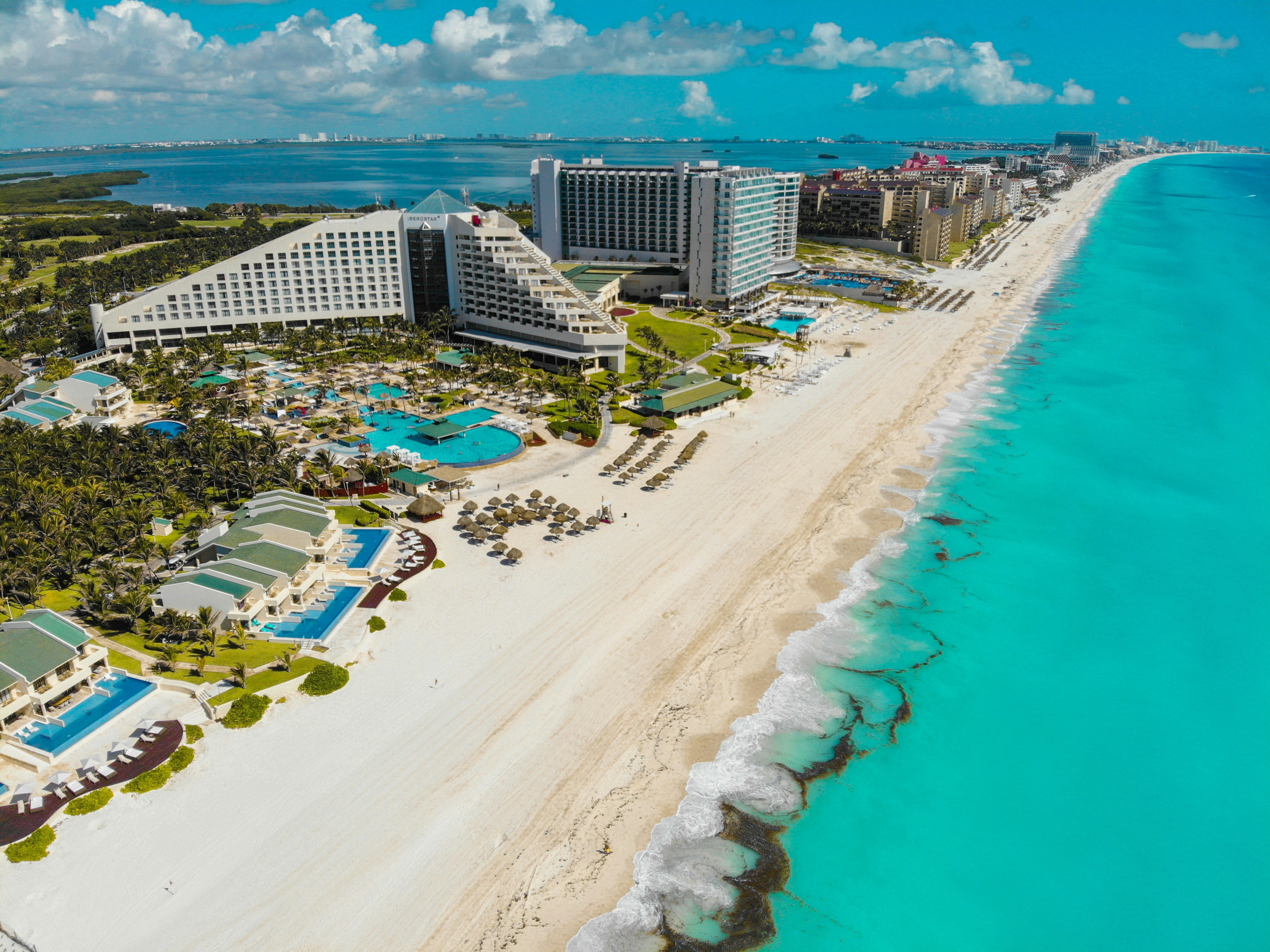
Dental tourism crowns make the most sense when you bundle multiple teeth, coordinate lab time, and prioritize fit and occlusion over the cheapest sticker price. Start by modeling your realistic total cost using the Savings Calculator, then compare logistics via destination operations in Cancun, Medellin, and Istanbul.