Data-Verified Content: This article was researched using official clinical guidelines from the ADA and JCI. It is for informational purposes and does not constitute medical advice.
1) Introduction: The Biological Replacement of a Root
When a tooth is lost, the alveolar bone begins an immediate atrophy process. A dental implant is the only replacement that can actively reduce this bone loss by restoring mechanical stimulation to the jaw. A standard implant system includes a titanium post (the artificial root), an abutment connection, and a ceramic crown.
Unlike bridges, implants do not require grinding down adjacent teeth—preserving the structural integrity of the rest of the mouth.
2) The Science: SLA Surfaces & Osseointegration
Implant success is built on osseointegration: a biological process where bone cells attach directly to the implant surface.
- SLA surface technology: modern implants are sandblasted and acid-etched to create a micro-porous surface that increases contact area and allows faster, stronger bone “welding.”
- Hydrophilicity: premium brands (e.g., Straumann, Nobel Biocare) offer surfaces engineered to attract blood and regenerative cells, often shortening healing timelines.
3) Material Selection: Titanium Grade 5 vs Zirconia
Material choice matters for long-term biomechanics and aesthetics.
- Titanium Grade 5 (Ti-6Al-4V): the most common option due to exceptional strength and decades of biocompatibility evidence - ideal for molars under high bite forces.
- Zirconia (ceramic): an alternative for patients with metal sensitivities or extreme aesthetic demands (very thin gums), but with less long-term data than titanium.
4) The Biological Timeline: The Integration Cycle
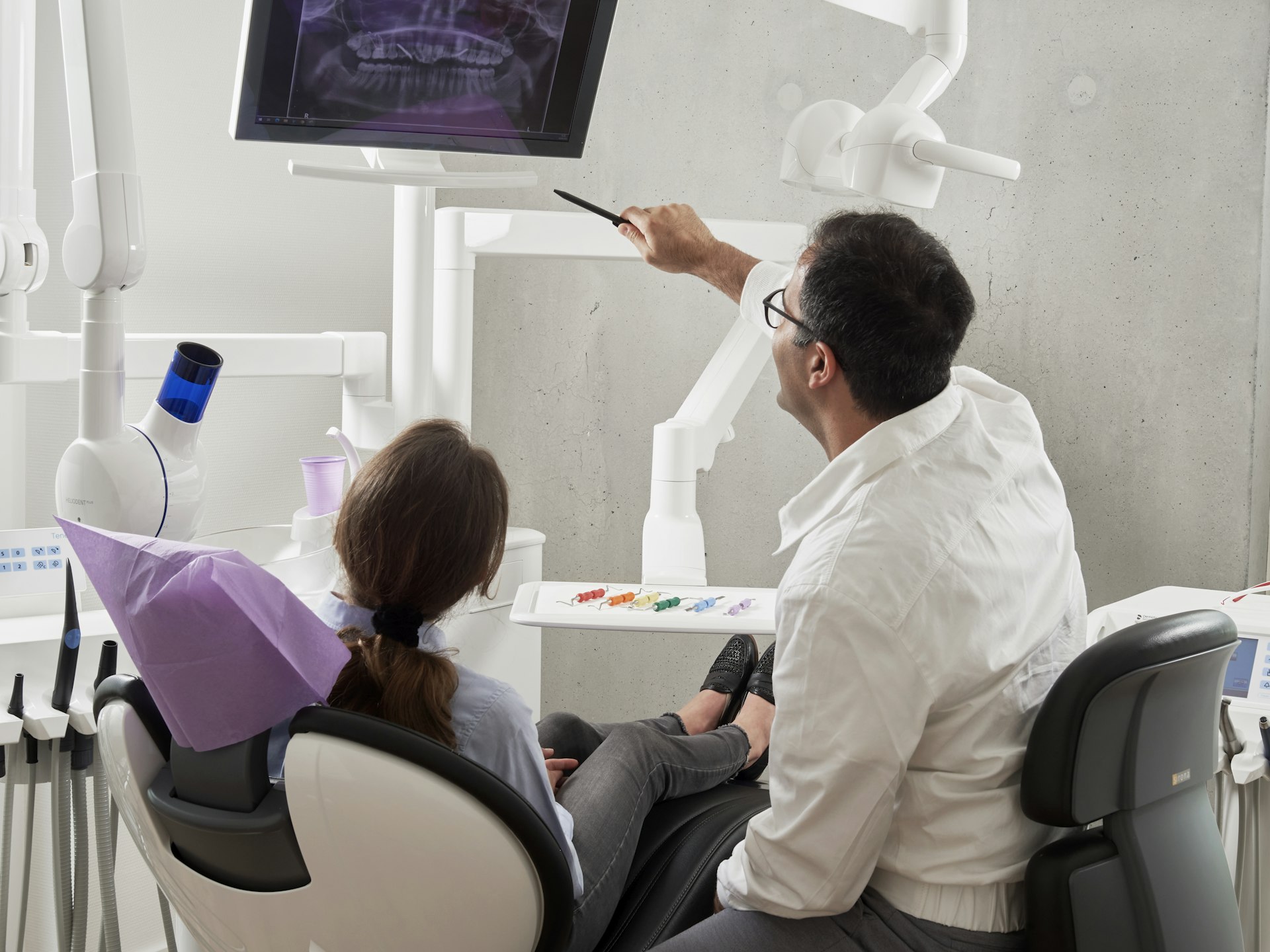
- 3D diagnosis (Day 1): CBCT scanning to measure bone volume with millimeter precision.
- Surgical placement: typically ~30 minutes under local anesthesia; the post is placed and the gum is closed.
- Silent phase (3–4 months): the critical integration period. Pain is usually minimal, but biology is actively remodeling bone.
- Reopening + abutment: the connector that links implant to the future crown.
- Final restoration: placement of a zirconia crown to complete the tooth.
5) Success Rate: Predictability & Risk Factors
Single implants often report success rates around 97-98% in well-selected patients. But honest medicine requires naming the risks: smoking and poorly controlled diabetes reduce healing capacity. Long-term failure is frequently driven by peri-implantitis (infection from poor hygiene), which means implants require the same care - often more - than natural teeth.
6) Table: Pricing Comparison (USA 2026 vs Global Partners)
| Treatment Component | Typical USA Cost | Global Partner (MX / COL / TUR) |
|---|---|---|
| Implant post (titanium) | $2,000 – $3,000 | $800 – $1,100 |
| Abutment & components | $600 – $900 | $200 – $350 |
| Zirconia crown | $1,500 – $2,500 | $500 – $800 |
| Total per tooth | $4,100 – $6,400 | $1,400 – $2,100 |
Prices reflect January 2025 market averages. The cost of an implant typically does not include the final crown ($300-$800 additional) or necessary preparatory treatments such as bone grafting or sinus lifts.
Real Net Savings (travel included)
Implants sometimes require two visits (surgery + final crown). The net savings can still be significant, but only if you budget realistically.
| Scenario | Clinic Fees | Estimated Travel (1–2 trips) | Total | Net Savings vs USA |
|---|---|---|---|---|
| USA (local) | $4,100 – $6,400 | $0 | $4,100 – $6,400 | — |
| Mexico / Colombia (2 trips typical) | $1,400 – $2,100 | $1,200 – $3,500 | $2,600 – $5,600 | $800 – $3,800 |
| Turkey (2 trips typical) | $1,600 – $2,300 | $1,800 – $4,500 | $3,400 – $6,800 | ($400) – $3,000 |
Prices reflect January 2025 market averages. The cost of an implant typically does not include the final crown ($300-$800 additional) or necessary preparatory treatments such as bone grafting or sinus lifts.
7) Pros and Cons: A Transparent Evaluation
Pros
- Longevity: designed to last 30+ years with good maintenance.
- Bone preservation: helps prevent facial collapse linked to bone loss.
- Function: restores near-full chewing force when properly restored.
Cons
- Time: biology needs months for integration in many cases.
- Upfront cost: higher initial investment than removable options.
- Maintenance requirement: implants can fail from neglect; they aren’t “maintenance-free.”
8) Risk Mitigation: Computer‑Guided Surgery
To reduce variability, top clinics use guided implant surgery: a 3D template based on your CBCT that dictates position, angle, and depth. This reduces surgical trauma, improves prosthetic alignment, and helps protect vital structures like nerves and sinuses.
9) Survival Guide: The First 30 Days
- No suction: avoid straws and smoking during the first week; pressure can disrupt clot stability.
- Ice: first 48 hours matter for swelling control.
- Gentle hygiene: brush carefully around the area, avoiding direct trauma early on.
10) Logistics & Conclusion: Why Travel?
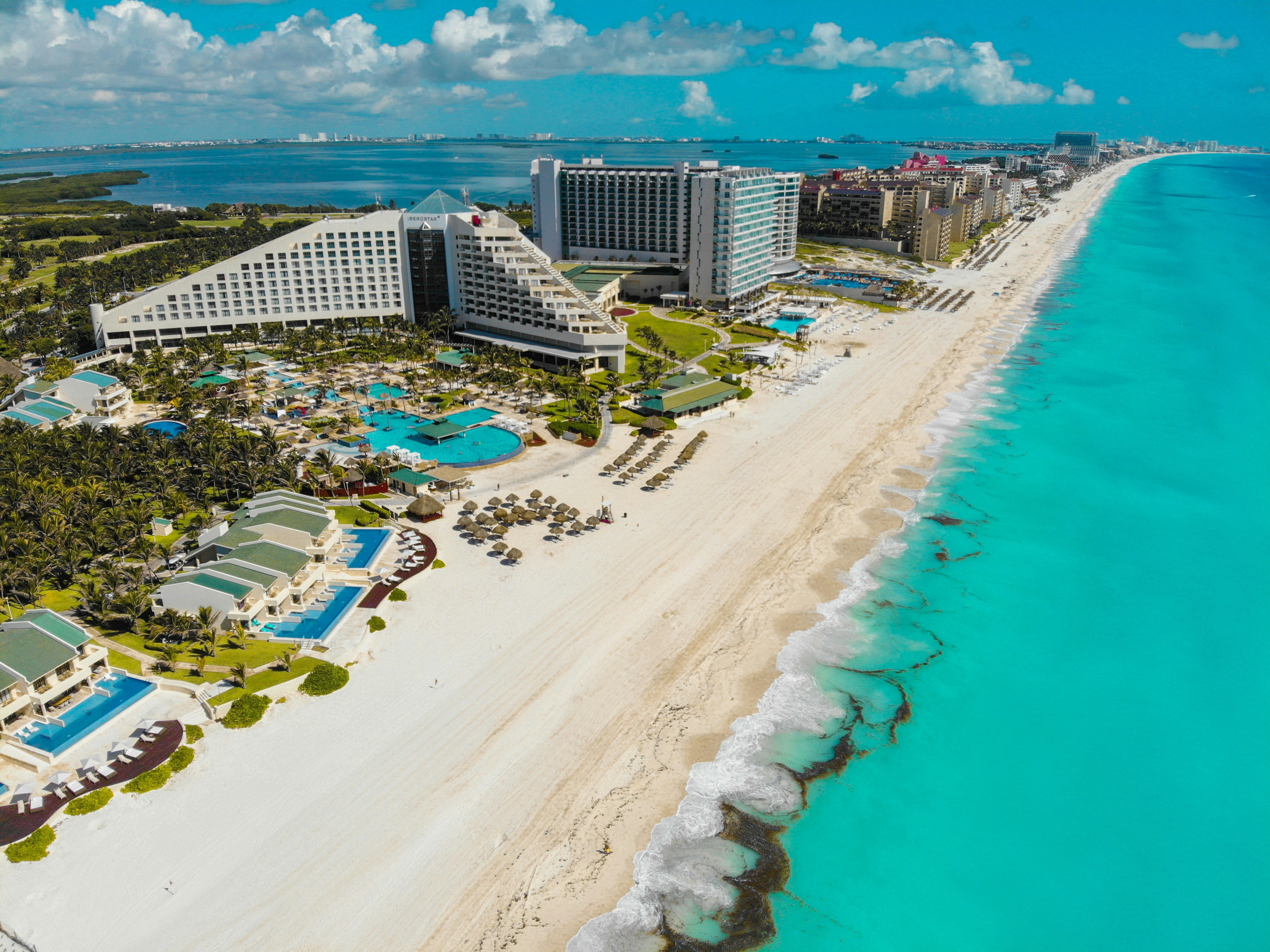
Dental travel for a single implant is a common entry point into dental tourism. In destinations like Cancún, Medellín, or Istanbul, patients may save thousands per tooth while accessing high‑volume surgeons who place implants daily—often using premium systems like Straumann or Nobel Biocare.
The economics can be strong enough that the full treatment plus quality travel can still cost less than the procedure alone locally. Start with the Savings Calculator, then explore logistics via destination operations in Cancún, Medellín, and Istanbul.