Data-Verified Content: This article was researched using official clinical guidelines from the ADA and JCI. It is for informational purposes and does not constitute medical advice.
1. The Strategic Margin: Why Does "Molar City" Exist?
Los Algodones’ advantage is not only price—it is shock infrastructure. The town is engineered for one outcome: high-volume, high-speed dental delivery for foreign patients. Everything else is downstream of that design decision.
Symbiotic ecosystem: pharmacies, opticians, and dentists operate in near-perfect proximity. If you need post-op antibiotics, the pharmacy is literally meters away. If you need CBCT imaging, high-resolution radiology centers are on the same corner. This reduces friction and failure points in time-sensitive cases.
The time factor: Algodones has optimized workflows for patients who do not have weeks. While a crown in the U.S. can take 10–15 business days, in Algodones it can be delivered in hours because the labs are not across town—they are integrated inside the clinic’s footprint.
2. Pricing & Savings: Strategic Investment (2026)
Savings in Los Algodones are among the highest on the continent due to aggressive competition and the removal of middlemen in prosthetic manufacturing. But pricing only works when paired with smart brand selection and documented lab standards.
| Treatment (Premium Quality) | Typical U.S. Cost | Los Algodones (2026) | Strategic Savings |
|---|---|---|---|
| Titanium Implant (Bone + Crown) | $5,000 | $1,200 – $1,500 | 75% |
| All-on-4® (Full Mouth Zirconia) | $35,000 | $9,500 – $12,500 | 68% |
| Monolithic Zirconia Crown | $2,200 | $450 – $550 | 78% |
| Molar Root Canal | $1,500 | $250 – $350 | 81% |
3. Technology Focus: The In-House Lab Revolution
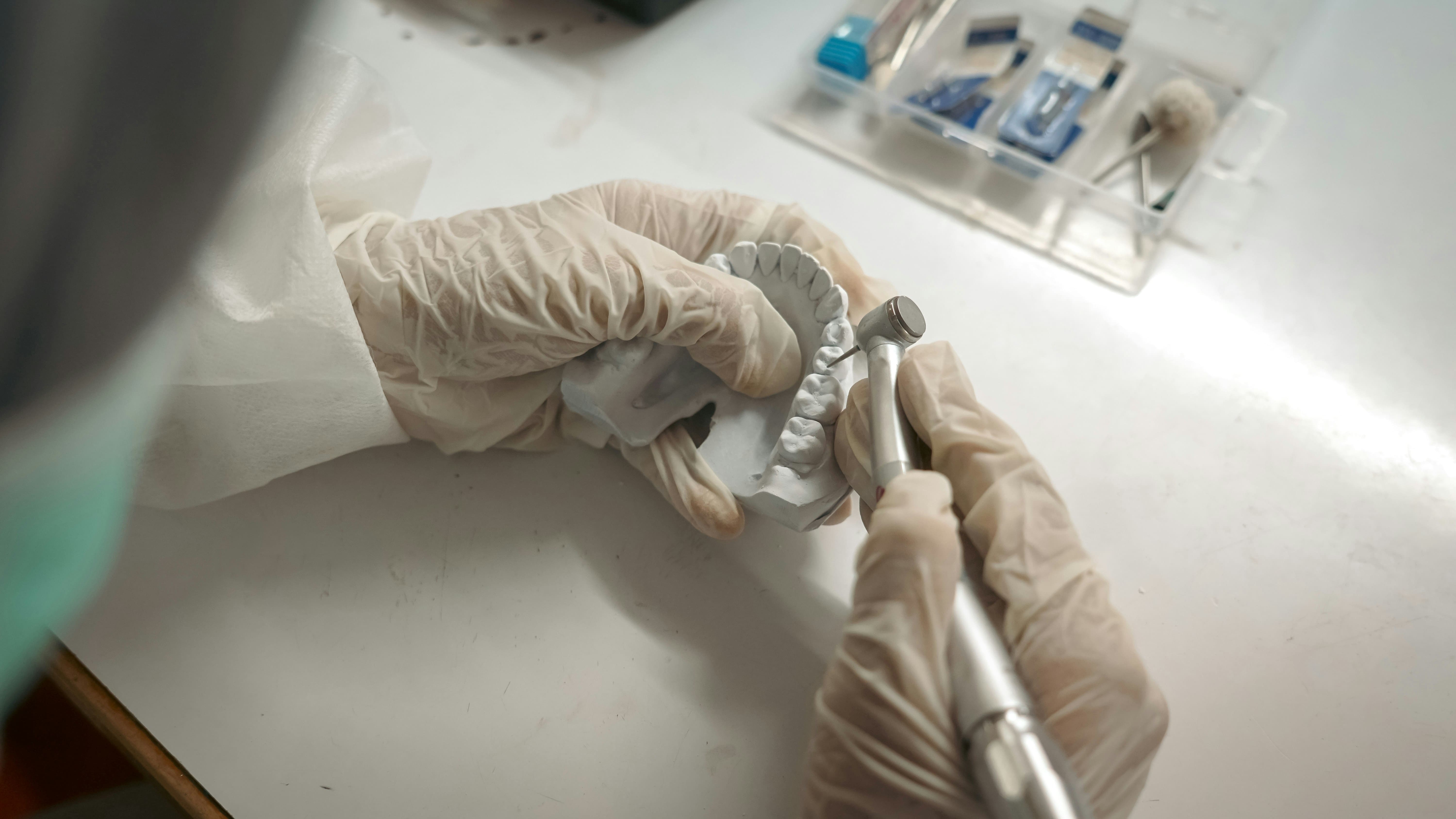
In 2026, the line between a top-tier clinic and a mediocre one in Algodones is manufacturing capability. Elite clinics run digital production internally, which compresses time and reduces outsourced error.
5-axis milling: premium clinics operate high-end equipment that mills teeth from solid zirconia blocks in minutes. This reduces human error from manual wax-up workflows and supports precise occlusion—lowering the risk of TMJ discomfort later.
3D facial scanning: uncomfortable impression trays are increasingly replaced by laser mapping and dynamic facial analysis so prosthetics harmonize with smile, speech, and facial proportions.
4. Safety & Standards: The Border Reality (Without Fear-Mongering)
The most common question is: “Is it safe to cross into Mexico?” The operational answer is: in Algodones, for medical tourism, the environment is unusually controlled.
The Algodones bubble: the town is among the safer micro-zones in Mexico because its economy depends almost entirely on foreign patients. The community and local police protect tourism as their core asset. It is a practical, family-like environment with thousands of retirees walking calmly.
American-grade hygiene: higher-end clinics follow ADA-aligned standards and use independent water filtration plus sterilization workflows validated with daily chemical and biological indicators—matching the safety baseline expected north of the border.
5. The 4-Day Protocol: The Speed Miracle
How can Algodones deliver in four days what often takes months in the U.S.? Parallel workflow. Surgery, imaging, design, and lab production happen in a tight loop inside the same ecosystem.
- Day 1: initial consult, CBCT scan, implant surgery, and delivery of a fixed provisional. You leave with teeth on day one.
- Day 2: inflammation control, digital scan of healed tissues, and final aesthetic design.
- Day 3: bite try-in, shade selection, and customized ceramic gingiva characterization (when indicated).
- Day 4: final monolithic zirconia delivery and return to the border before the crossing closes.
6. Insurance & Superbill: Maximizing Reimbursement
Molar City has optimized paperwork for U.S. and Canadian patients.
Standard ADA coding: many clinics provide a superbill with correct procedure codes (for example, D6010 for implants) so insurers can process out-of-network reimbursement with fewer objections.
Direct billing: select large clinics may offer direct billing with specific insurers, meaning you pay a co-pay and they process the claim. Confirm eligibility before committing.
7. Comparison: Los Algodones or San José?
Choose Los Algodones if: you prioritize maximum savings, extreme speed, and you live within manageable distance of the border—or you can fly into Yuma, AZ. Algodones is designed for direct, efficient solutions.
Choose San José if: your case requires a private-hospital ecosystem and you prefer a recovery model built around hospital-grade safety and highly standardized protocols, away from border intensity.
8. Recovery & Logistics: The Andrade Port-of-Entry Protocol
Crossing logistics is not optional; it’s clinical risk management.
Pedestrian crossing is mandatory: park on the U.S. side (Andrade, Arizona) and cross on foot. You avoid car lines that can exceed 3 hours under desert sun—heat increases blood pressure and post-surgical bleeding risk.
Local stay: for full-mouth cases, consider staying in-town (for example, Hotel Cielito Lindo). You remain meters from your doctor if you need an adjustment or a late check.
Medication readiness: local pharmacies are strong. Purchase prescribed analgesics and antibiotics before surgery so they are ready in your hotel room post-op.
9. Patient Protection & Warranty: Your International Shield
Radical honesty is policy: if you live in Canada and an implant fails, the return trip cost is typically yours.
Open-door warranties: serious clinics cover 100% of corrective treatment cost (materials and lab work). Travel usually remains patient responsibility.
Medical travel insurance: in 2026, it is prudent to recommend medical travel policies. For a small premium, certain plans can help cover travel and hotel costs if you must return for a complication—depending on insurance terms.
10. Cultural & Post-Op: The Molar City Experience
Algodones is lively and full of snowbirds who combine appointments with social routines.
Shopping & services: you can buy prescription sunglasses and optical services, but do it before your dental appointment to avoid exertion afterward.
Climate factor: avoid July and August. Extreme heat (115°F / 46°C) increases swelling risk. The gold season is October through April, with mild weather that supports healing.
11. FAQ: What Patients Actually Ask
Do I need a passport? Yes. Entry into Mexico may feel easy, but re-entry into the U.S. typically requires a valid passport or passport card.
Is it safe to eat there? Yes, in clinic-recommended restaurants. Avoid street food the day before surgery to prevent GI issues.
What if I have an emergency on Sunday? Andrade crossing closes early (often around 8:00 PM). Make sure you have your doctor’s WhatsApp and confirm whether the clinic offers 24-hour emergency coverage.
12. Strategic Verdict: The Final Truth
Los Algodones in 2026 is the destination for the pragmatic patient. If you are not seeking a luxury spa or exotic jungle—and your only objective is to restore dental health with German-grade technology at the lowest price point on the planet—Molar City is hard to beat. It is dusty and loud, but it is where the highest density of lives gets transformed through a smile.