Data-Verified Content: This article was researched using official clinical guidelines from the ADA and JCI. It is for informational purposes and does not constitute medical advice.
Bali 2026: Where Dentistry Meets Recovery Culture
Bali’s advantage is not industrial speed—it’s the environment and the boutique model: wellness-first logistics, biocompatible material preferences, and a patient experience that reduces stress for recovery-sensitive cases. In a world of “dental factories,” Bali stands out for patients who believe healing is as important as the procedure itself.
1. The Clinic Landscape: Boutique by Design
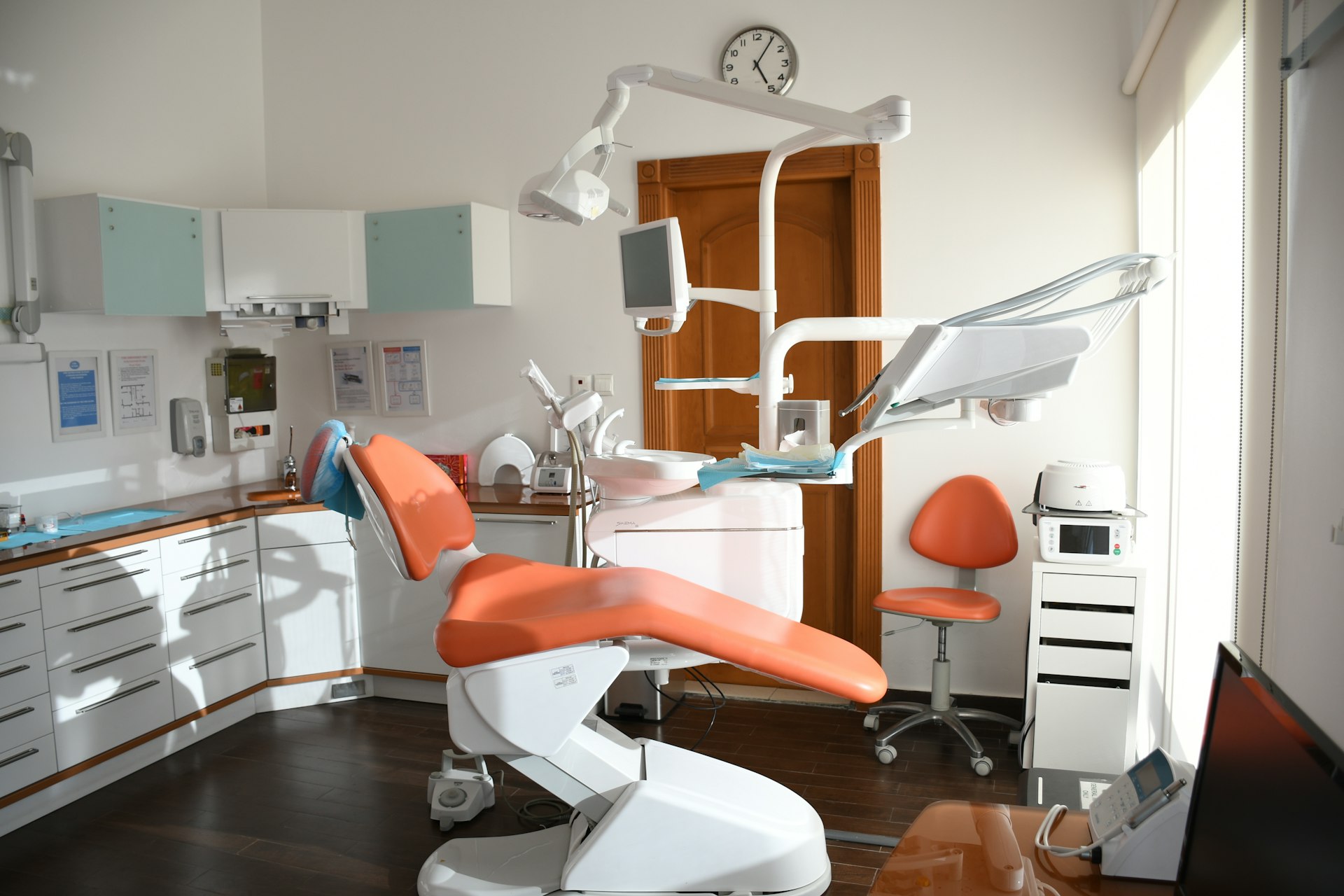
In Bali, many top practices are smaller and more concierge-driven than massive hospital complexes. The operational win is coordination: appointments are spaced to allow 1‑on‑1 time for characterization and aesthetic adjustments, while transport, post‑op nutrition, and recovery villa planning are coordinated by a single patient manager to reduce anxiety that can interfere with healing.
2. Pricing & Savings: The Bali Reality
Pricing in Bali is highly competitive, especially for cosmetic dentistry (veneers) and single‑implant workflows. While it may not be the absolute cheapest globally, the price‑to‑quality ratio is world‑class. For full‑arch reconstructions, Bali is often chosen by patients prioritizing a calm recovery environment over the absolute bottom dollar.
| Procedure | USA / AUS | Bali Boutique Price | % Savings |
|---|---|---|---|
| Zirconia Crown | $2,000+ / $2,200 AUD | $380 – $600 | 70% – 75% |
| Digital Veneer (E‑Max) | $2,200+ / $2,500 AUD | $350 – $550 | 70% – 80% |
| Single Implant Placement | $5,000+ / $5,500 AUD | $900 – $1,450 | 60% – 65% |
| All‑on‑4 Full Arch | $35,000+ | $9,000 – $13,500 | 60% – 70% |
3. Materials: Biocompatible Preferences
Patients increasingly ask for metal‑minimizing plans. Clinics respond with “biological dentistry,” focusing on how materials interact with the immune system.
- Zirconia and Ceramics: superior aesthetics and zero metal toxicity; local labs excel at high‑translucency zirconia that mimics natural enamel.
- Digital Impressions: 3D intraoral scanners replace silicone molds, delivering sub‑millimeter precision and cleaner workflows.
- Clear Communication (DSD): Digital Smile Design consultations let you see results on screen before any preparation.
4. Timeline Planning: The Traveler Strategy
Precision requires time. Veneers or crowns typically need a 5–8 day window to allow try‑ins and real‑world shade checks. Implant surgery demands a staged strategy for safety:
- Trip 1 (3–5 days): Surgical placement of the titanium or zirconia implant.
- Osseointegration (3–6 months): Healing at home.
- Trip 2 (7–10 days): Final restoration. Rushing the final crown placement is the #1 cause of international dental failure.
5. Recovery Logistics: Wellness Can Be Clinical
In Bali, wellness is a clinical tool. Compliance is the biggest variable in dental success. High‑end clinics now integrate:
- Lymphatic Drainage: gentle facial massages to reduce post‑op swelling.
- IV Therapy: vitamin boosters to support bone integration and tissue repair.
- Controlled Activity: an "island pace" to prevent over‑exertion and post‑surgical bleeding.
6. Insurance & Documentation
Expect out-of-network workflows. The practical win in Bali is documentation quality: high-resolution digital X-rays (including CBCT), itemized invoices with international ADA codes, and a detailed “Letter of Medical Necessity” when needed for records or tax deductions back home.
7. Comparison: Bali vs Ho Chi Minh City vs Bangkok
- Choose Bali if: you want boutique care, wellness‑focused recovery, and a calm environment—ideal for cosmetic artistry and biological dentistry.
- Choose Ho Chi Minh City if: you’re on a strict budget and want aggressive pricing in a high‑volume, fast‑paced urban setting.
- Choose Bangkok if: you need a multi‑disciplinary hospital ecosystem (e.g., heart issues + dental) with specialty depth like Bumrungrad.
8. Transport: Avoid Friction
Bali’s traffic is the enemy of a healing patient. Heat and vibration from a scooter can exacerbate pain after a root canal or implant. Never use motorbikes on clinical days. Use clinic‑coordinated, air‑conditioned transport—20 minutes in a cool car is a medical necessity when you have active sutures.
9. Patient Protection: Warranties and Aftercare
True value is continuity. Always get your warranty in writing and confirm coverage scope (materials, lab work, and adjustments). Ask for maintenance protocols and recommended timelines for follow‑up checks to keep coverage valid.
10. Food and Healing: The Soft-Diet Advantage
Bali offers recovery‑friendly nutrition: smoothies, soups, soft proteins, and low‑sugar options support healing. Avoid spicy foods, alcohol, and hard textures during the acute phase.
- Cold smoothies and protein shakes
- Bone broth and soft vegetables
- Low‑acid fruits and plenty of water
11. FAQ: Bali 2026
Can I combine treatment with beach time? For surgical cases, keep recovery conservative—heat and activity increase swelling and delay healing.
- Limit sun exposure and intense activity for 72 hours post‑op
- Sleep with head elevation to reduce swelling
- Follow clinic hygiene protocols strictly
12. Final Verdict: The Recovery-First Choice
Bali is best for patients who want boutique dentistry paired with a calm recovery environment and wellness logistics that make compliance easier. If your priority is healing + aesthetics rather than speed, Bali is the recovery‑first choice.
Ready to Experience Wellness Dentistry in Bali?
Connect with verified holistic dental providers offering biocompatible materials and wellness-focused recovery protocols.
Browse Verified Bali Clinics