Data-Verified Content: This guide is based on ISO 13356:2015 and ASTM F67 clinical standards for 2026 biocompatibility. See the Safety Index 2026 for risk management.
Zirconia vs Titanium: Comparative Table
| Property | Titanium | Zirconia |
|---|---|---|
| Conductivity | Conductive; may cause galvanic currents with mixed metals. | Non-conductive; inert, eliminates galvanism risk. |
| Aesthetics | Possible gum “gray” if gingival recession occurs. | Ceramic; better gingival integration and translucency. |
| Strength | High fatigue resistance; proven in full-arch cases. | Monolithic high fracture resistance; layered indications require care. |
| Biocompatibility | Excellent osseointegration (Grade 5 Roxolid, CP4). | Inert; favorable soft-tissue response in metal-sensitive patients. |
1. The Biocompatibility Battle: Titanium vs. Zirconia
In 2026, the choice between metal and ceramic is no longer just aesthetic; it’s biological. Titanium (Grade 5 Roxolid) is the “workhorse” with ~98% osseointegration success. Zirconia (Y-TZP) is 100% metal-free, non-conductive, and eliminates galvanic currents in mixed-metal mouths.
2. The Global Big Three: Why Brand Names are Your Safety Net
Never accept a generic or house-brand implant. Compatibility is king in 2026. If a clinic uses Straumann, Nobel Biocare, or Osstem, any dentist in London, New York, or Sydney can source parts years later. Generics risk orphaned cases when parts get discontinued.
3. Monolithic Zirconia: The Engineering of the “Indestructible” Tooth
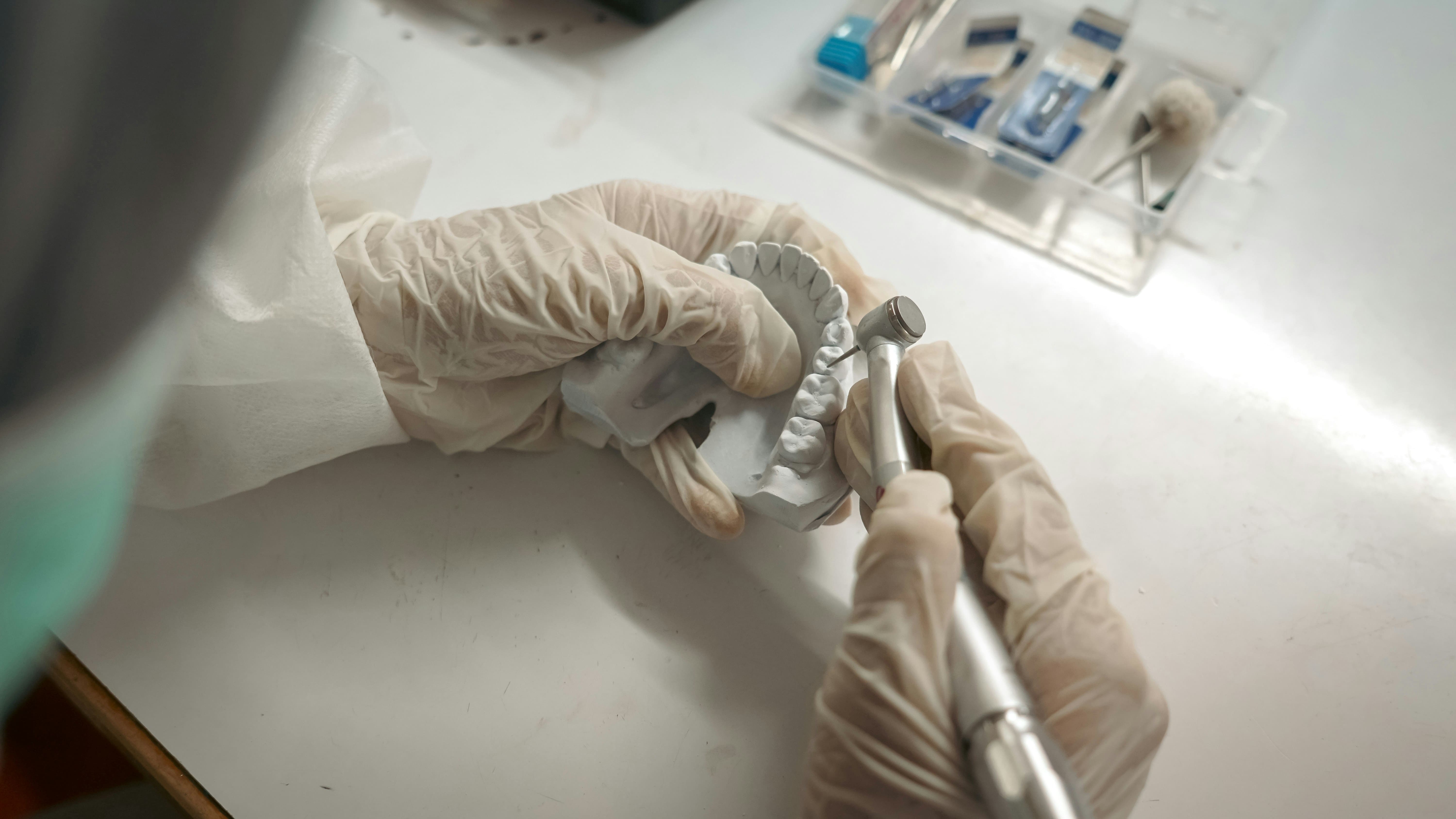
Modern zirconia is milled from a single block via 5-axis CAD/CAM. Unlike older PFM crowns that chip, monolithic zirconia reaches flexural strength > 1,200 MPa and is designed for 25+ years, including heavy bruxism cases.
4. E-Max Veneers: The Science of Translucency
For anterior aesthetics, optical depth matters. Lithium Disilicate (IPS e.max) mimics enamel translucency: light passes through and reflects off dentin, avoiding the “plastic” look of cheap alternatives.
5. CAD/CAM Precision: The End of the “Manual” Era
Premium clinics capture thousands of images per second with intraoral scanners; milling achieves ~15 microns precision. Perfect fits prevent microleakage under crowns—the leading cause of long-term failure.
6. The 2026 “Smart Patient” Material Checklist
- SLA Active Surface (implants): faster healing when indicated.
- Y-TZP Zirconia: high-strength ceramics for load-bearing restorations.
- Nickel-Free Alloys: reduce allergy risk in sensitive patients.
7. Surface Science: SLA vs. SLActive
The surface “skin” drives early healing. SLActive (often from Straumann) uses a chemically active interface attracting blood cells immediately, reducing the waiting period from months to ~6 weeks in many cases.
8. Abutment Selection: The Invisible Connection
The abutment connects implant to crown. In 2026, custom zirconia abutments for anterior cases prevent gray show-through common with standard titanium connectors.
9. All-on-4 Material Science: Acrylic vs. Zirconia Bridges
- Acrylic (Hybrid): cheaper, lighter, but wears in 5–7 years.
- Full Zirconia: heavier, more expensive, maintains color/shape long-term.
10. The Risk of “Grey Markets” in Dental Tourism
Some low-cost hubs use cloned components. Demand the Authenticity Certificate with serial number. Genuine Straumann implants include a global warranty card you can register online.
11. FAQ: Metal Allergies and Sensitivity
Titanium sensitivity is rising (consider MELISA testing). If you have jewelry-related skin reactions, a zirconia implant can avoid chronic inflammation driven by metal exposure.
12. Final Verdict: Where to Invest?
- Back Molars: Monolithic zirconia for strength and wear resistance.
- Front Smile: E-Max + custom abutments for naturalism and optics.
- Surgery: Never compromise on brand; prioritize Straumann or Nobel Biocare where available.
Premium materials require premium laboratory certification. Don't settle for "generic" zirconia.
Find Clinics Certified in Premium Bio-Materials