Data-Verified Content: This article was researched using official clinical guidelines from the ADA and JCI. It is for informational purposes and does not constitute medical advice.
1) Introduction: The Art of Dental Resurfacing
Porcelain veneers represent the pinnacle of cosmetic dentistry. They are ultra-thin, custom-made shells of tooth-colored ceramic designed to cover the front surface of teeth to improve your appearance. Unlike crowns, which encase the entire tooth, veneers are a more conservative "resurfacing" technique.
In 2026, the demand for veneers has skyrocketed due to the "Hollywood Smile" trend, but there is a major gap between high-end aesthetic engineering and cheap "composite bonding." This guide focuses on high-durability porcelain, explaining why patients are now traveling globally to save up to 70% on E-max and Feldspathic veneers without compromising on the artistry of a master technician.
2) The Science: Biomimetic Adhesion and Optical Opalescence
The science behind a world-class veneer is twofold: how it sticks (adhesion) and how it looks (light refraction).
Biomimetic Adhesion: modern dentistry uses a multi-step bonding process involving phosphoric acid etching and silane primers. This creates a chemical and mechanical bond between the porcelain and your enamel that is, in some cases, stronger than the original tooth structure itself.
Optical Opalescence: high-quality porcelain mirrors the light-reflecting properties of natural teeth. It is translucent, meaning light penetrates the surface and reflects off the dentin underneath, giving that vital, non-artificial "glow." Cheap veneers often look like "piano keys" because they are too opaque.
3) Material Selection: E-max vs Feldspathic vs Zirconia
Choosing the right material is a delicate balance between structural strength and high-end beauty:
- Lithium Disilicate (E-max): the current industry standard. It offers a perfect blend of high strength (approx. 400 MPa) and incredible aesthetics. It allows for "ultra-thin" veneers (0.3mm), requiring the least amount of tooth preparation possible.
- Feldspathic Porcelain: the choice for "no-prep" veneers. It is hand-layered by master technicians. While more fragile before bonding, it is the most aesthetic material in existence, mimicking natural enamel textures.
- Zirconia Veneers: used primarily for patients with severe bruxism (teeth grinding) or very dark underlying stains. Zirconia is nearly indestructible but tends to be more opaque.
4) The Biological Timeline: From DSD to Final Bonding
A world-class veneer process in a top-tier international clinic follows a strict sequence:
- Digital Smile Design (DSD) and mock-up (Day 1): digital scans plus a physical wax-up. You can "test drive" your new smile using temporary resin before any permanent work begins.
- Preparation (Day 2): minimal removal of enamel, high-precision final impressions, and high-quality temporaries.
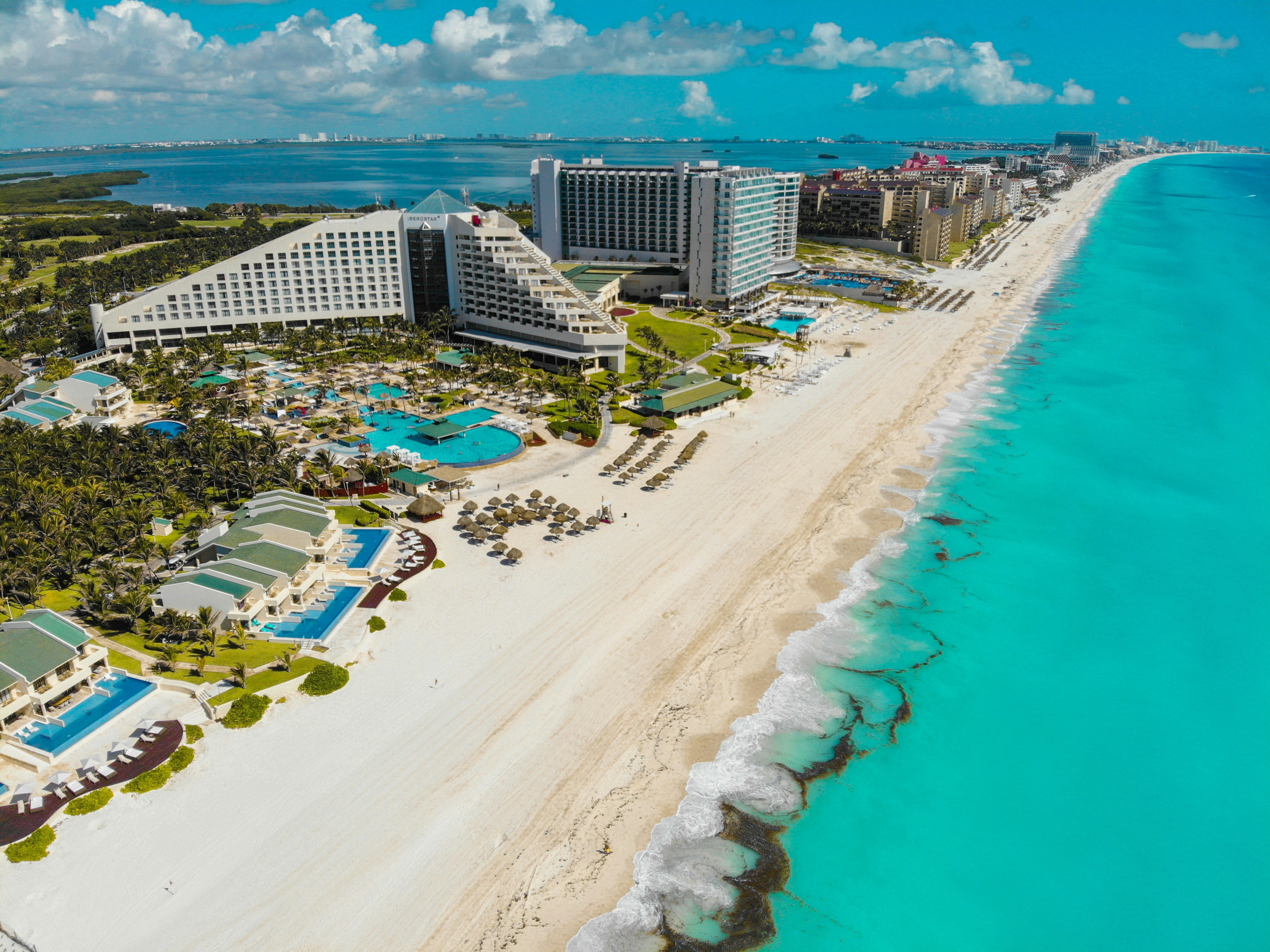
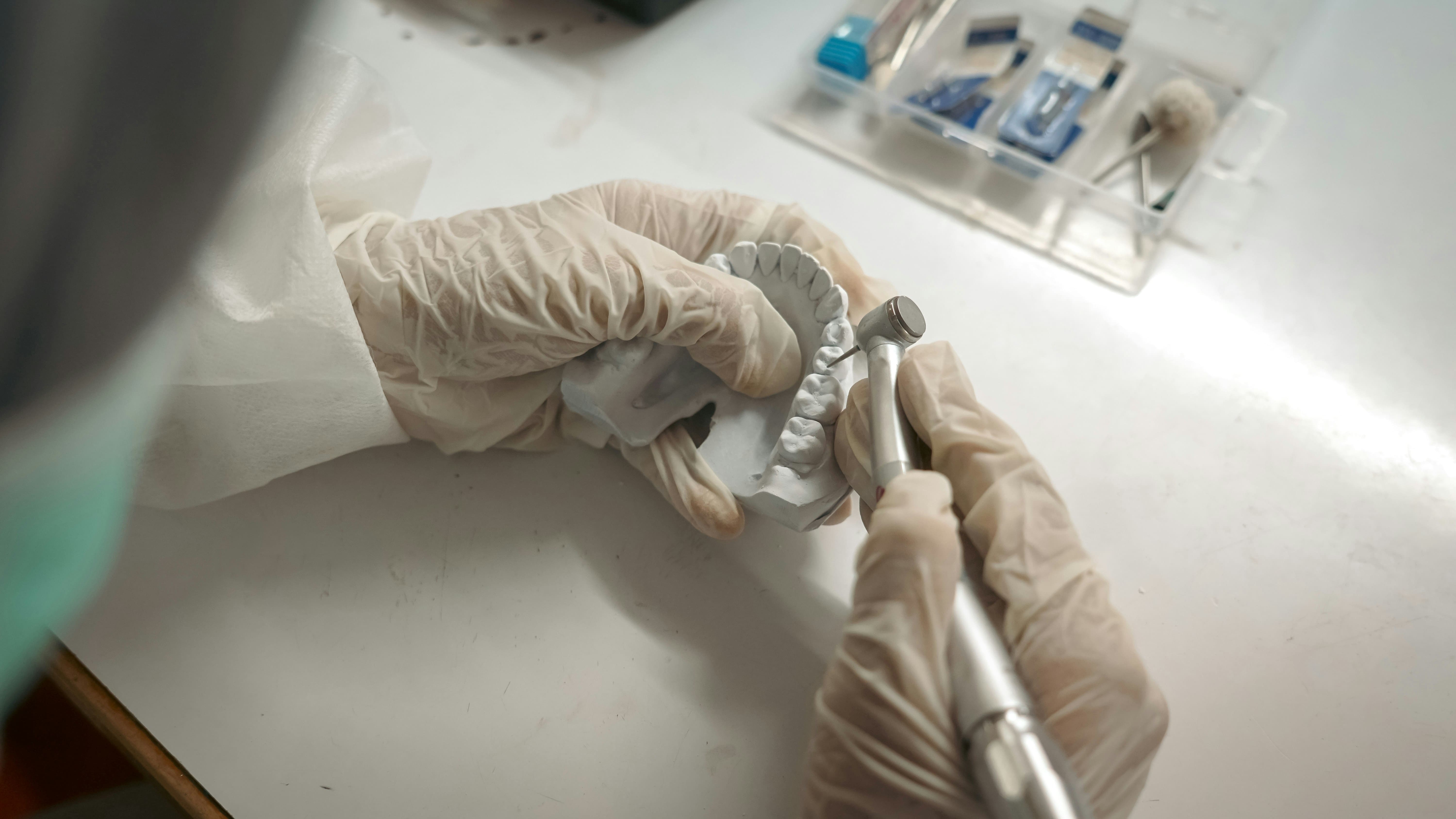
- The lab phase (3-5 days): master ceramists in hubs like Cancun or Istanbul craft each veneer, matching mamelon structures and micro-textures for natural realism.
- The bonding (Day 7): try-in, occlusion (bite) verification, and permanent bonding using rubber dam isolation.
5) Table: Real Net Savings (Travel Included)
| Item | USA/Canada (Avg) | International Hub (Verified) |
|---|---|---|
| Cost per veneer (E-max) | $2,000 | $475 |
| Full smile (10 veneers) | $20,000 | $5,000 |
| Flights and 8 days hotel | $0 | $1,800 |
| Total investment | $20,000 | $6,800 |
| Net savings | $0 | $13,200 (66%) |
Prices reflect January 2025 market averages. The cost of an implant typically does not include the final crown ($300-$800 additional) or necessary preparatory treatments such as bone grafting or sinus lifts.
6) Risk Mitigation: Avoiding the "Chicklet" Look
The biggest risks in dental tourism isn't a veneer falling off; it's getting a smile that looks fake. To mitigate this, top clinics use the Golden Proportion - a mathematical ratio used to ensure the width and height of your teeth match your facial structure.
Technical risk is reduced by CAD/CAM milling for precision fit, followed by manual staining by a human artist so the veneers look organic to the naked eye.
7) Pros and Cons: A Transparent Evaluation
Pros: stain resistance (non-porous porcelain), instant orthodontics (closes gaps), and high durability compared to resin.
Cons: irreversibility (once enamel is removed, you always need veneers), temporary sensitivity to hot/cold, and the eventual cost of replacement in 15-20 years.
8) Survival Guide: The First 30 Days and Beyond
- Avoid "The Snap": do not bite directly into hard apples or crusty bread. Cut your food to reduce lateral shearing forces.
- The nightguard: a custom nightguard is mandatory to protect porcelain from accidental grinding (bruxism) during sleep.
- Margin hygiene: use a soft-bristled electric toothbrush. The margin where veneer meets gum is the only place a cavity can still form.
9) Warranties and Long-Term Protection
Verified international clinics often offer 5 to 10-year warranties on the porcelain itself. However, a "global warranty" is only as good as your ability to travel back. This is why we recommend specialized medical travel insurance. If a veneer de-bonds or chips once you are back home, these policies can cover the cost of local emergency repairs or the travel expenses to return to the original clinic for a replacement.
10) Logistics & Conclusion: Why High-End Hubs are Often Superior
By traveling to verified partner clinics, you aren't just saving money; you are gaining access to master ceramists who work exclusively on high-end aesthetic cases. In many Western cities, a general dentist might do two veneer cases a month. In a specialized hub like Medellin or Istanbul, technicians perform these "aesthetic engineering" cases all day, every day. That volume translates into a level of artistic mastery that is often hard to find at home.